
Fashion is having its biggest shake-up since the sewing machine was invented. AI isn't just changing how we design clothes: it's completely rewriting the rules of style, production, and how we connect with what we wear. And honestly? We're just getting started.
If you're in fashion and you're not thinking about AI yet, you're already behind. But don't panic. We're going to break down exactly what's happening and how to ride this wave instead of getting crushed by it.
AI Isn't Replacing Designers: It's Making Them Superhuman
Let's get one thing straight: AI isn't coming for your creativity. It's coming to make your creativity absolutely unstoppable.
Modern AI tools can generate hundreds of design concepts in the time it used to take to sketch one. We're talking about platforms that can analyze decades of fashion history, current street style, and emerging cultural trends all at once to suggest combinations you never would have thought of.
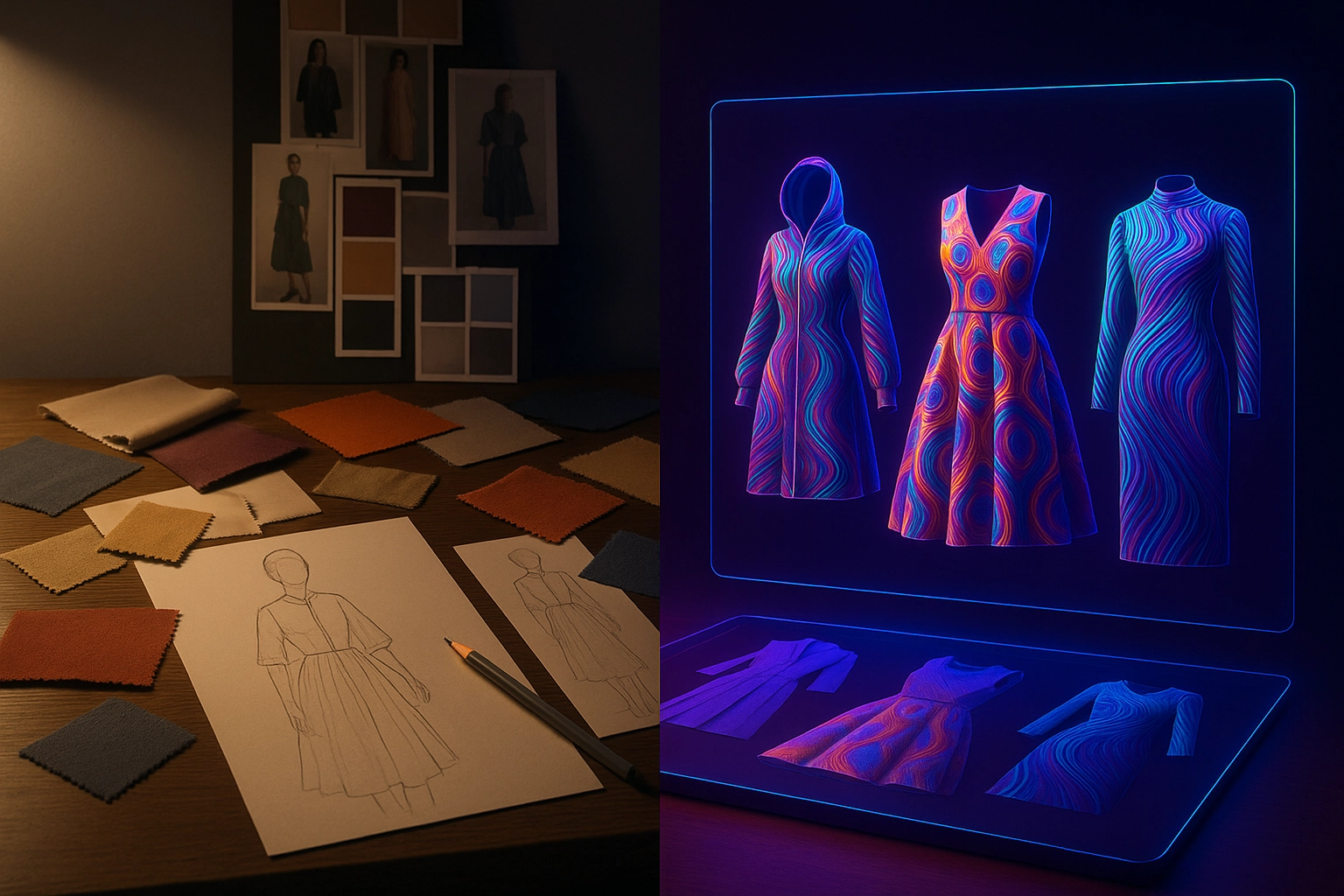
Take Balenciaga's recent collection: they used AI to analyze 70 years of their own archives mixed with contemporary streetwear data. The result? Patterns that felt both completely fresh and deeply rooted in fashion history. That's not AI replacing human vision; that's AI amplifying it to levels we've never seen before.
The best part? Tools like Adobe Sensei and newer platforms are making this accessible to independent designers, not just luxury houses with massive budgets. You can input a mood, a color palette, or even just a feeling, and get back comprehensive design packages complete with sketches, fabric suggestions, and mood boards.
Predicting the Future (Literally)
Remember when trend forecasting was basically fashion psychics reading tea leaves? Those days are over. AI can now predict what people will want to wear months before they even know it themselves.
Here's how it works: AI systems are constantly scanning social media, search data, and purchasing behavior to spot micro-trends before they hit mainstream. They're looking at everything from what influencers are wearing to what people are searching for at 2 AM.
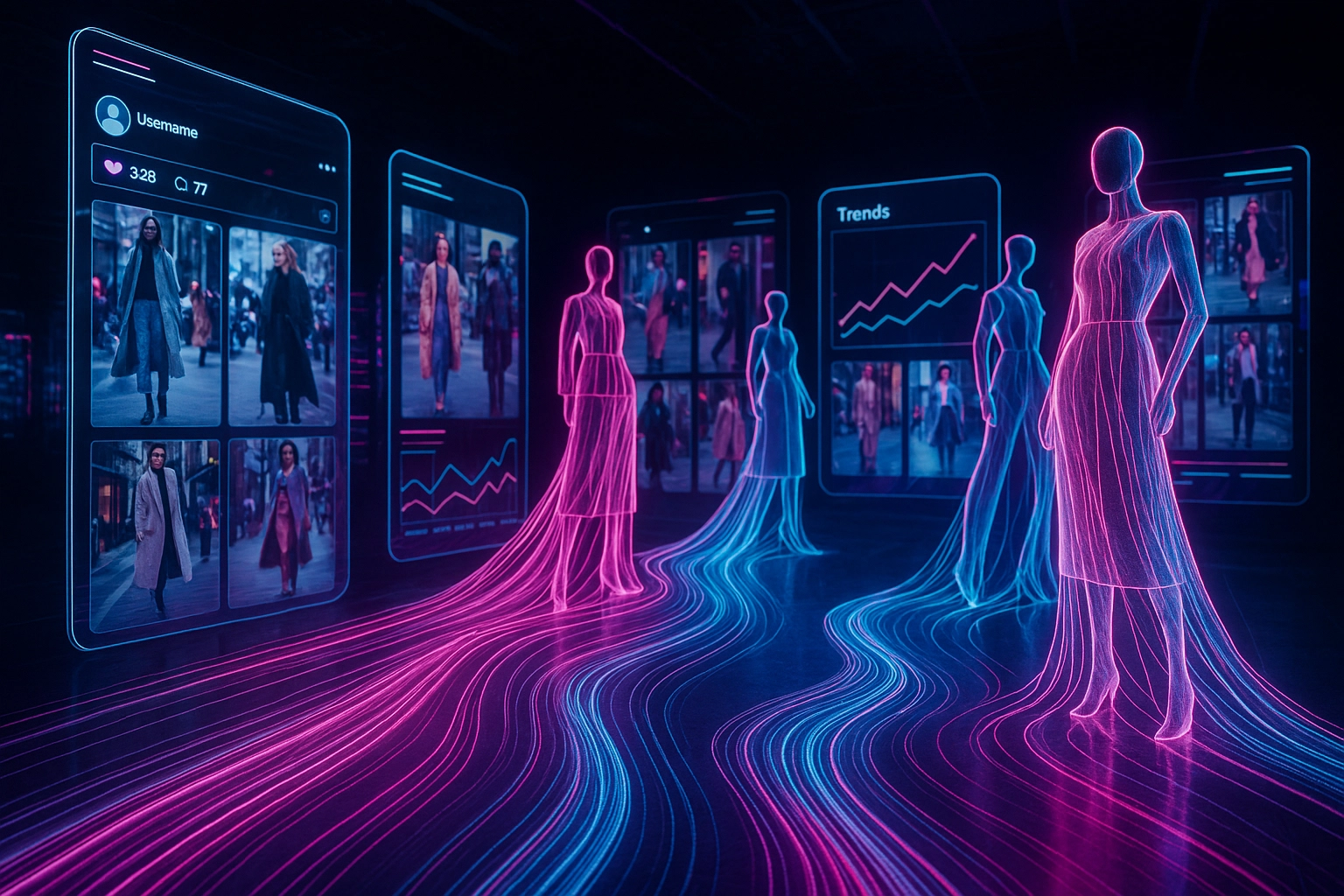
Early 2025 proved this perfectly. AI spotted the "Neo-Retro Denim" trend on TikTok months before it exploded everywhere. The brands that caught this early made bank while everyone else scrambled to catch up.
This isn't just about following trends: it's about understanding the deeper patterns of what drives style evolution. AI can connect dots between seemingly unrelated cultural moments and predict what combinations will resonate with people.
Personalization That Actually Feels Personal
Mass personalization sounds like an oxymoron, but AI has made it reality. We're talking about systems that learn your style preferences, body type, lifestyle, and even your shopping patterns to create recommendations that feel like they were curated by your stylish best friend.
Virtual fitting rooms are solving one of fashion's biggest problems: the fact that clothes look completely different on you than on the model. AI-powered fitting technology can show you exactly how something will look and fit on your actual body, reducing returns and increasing satisfaction.
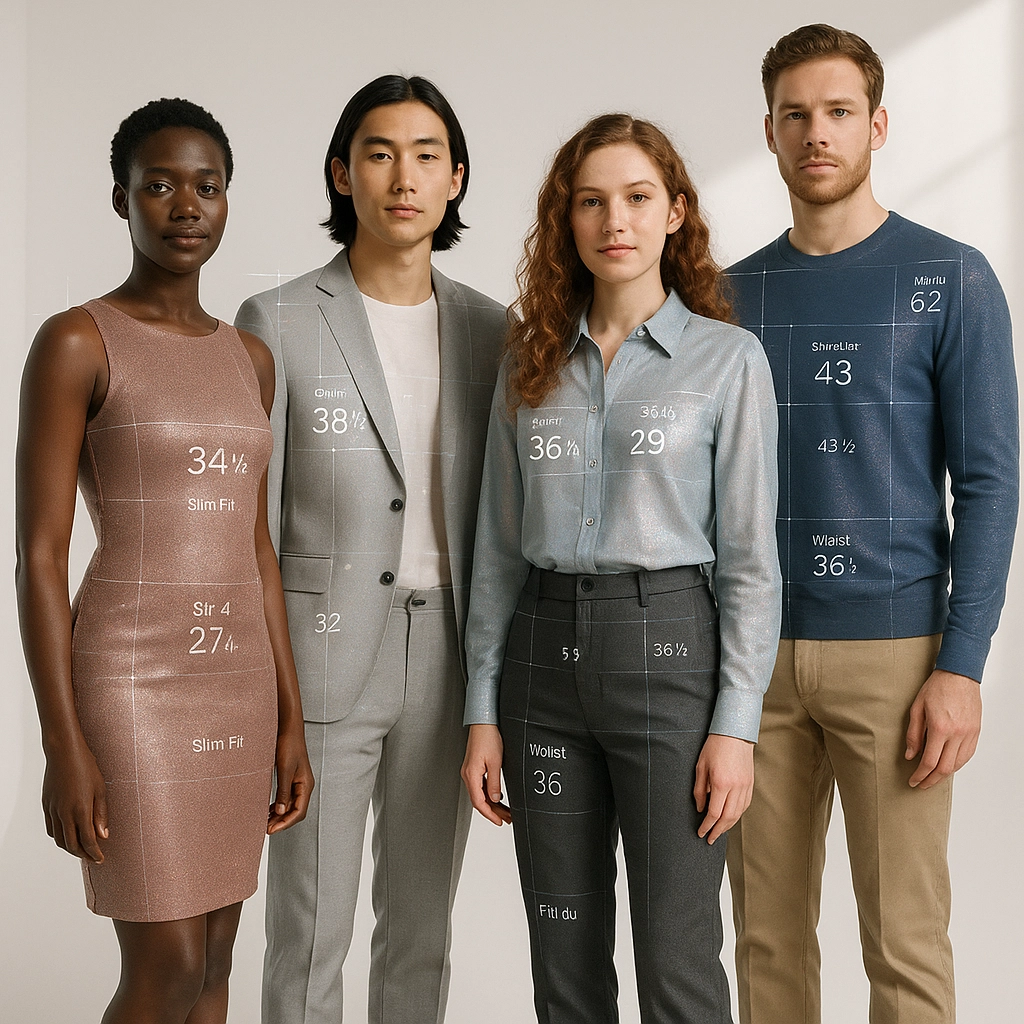
But it goes deeper than just shopping. Brands are using AI to create entire product lines targeted at specific consumer segments with laser precision. Instead of making one jacket and hoping it appeals to everyone, they can make five variations that each perfectly match different lifestyle and aesthetic preferences.
The Sustainability Game-Changer
Here's where it gets really interesting: AI is making fashion more sustainable without compromising on style or profit. Actually, it's doing the opposite.
AI-powered demand forecasting means brands can produce exactly what people want, when they want it. No more massive overproduction leading to clothes ending up in landfills. The algorithms can predict demand down to specific sizes and colors for specific regions.
On the design side, AI optimizes fabric usage, reducing waste by up to 30% through smarter pattern layouts. It can also suggest material combinations that increase durability, meaning clothes last longer and need to be replaced less frequently.
How to Do AI Fashion Right (The Practical Stuff)
Start with Your Problems, Not the Tech
Don't adopt AI because it's cool. Adopt it because it solves real problems in your business. Whether that's trend forecasting, inventory management, or customer personalization: identify the specific challenge first.
Invest in Good Data
AI is only as good as the data you feed it. If you want AI to help with design, you need comprehensive data on trends, customer preferences, and sales patterns. If you want it to help with personalization, you need detailed customer behavior data.

Keep Humans in the Loop
The most successful AI implementations combine artificial intelligence with human creativity and industry expertise. AI can generate and analyze, but humans need to interpret, refine, and make the final creative decisions.
Think Customer-First
Every AI implementation should directly improve the customer experience. Whether that's through better recommendations, virtual fitting, or just having the right products available when they want them.
The Bottom Line
AI fashion isn't coming: it's here. The brands that are already integrating AI are seeing faster trend identification, better demand forecasting, lower costs, and happier customers. The ones that aren't are falling behind fast.
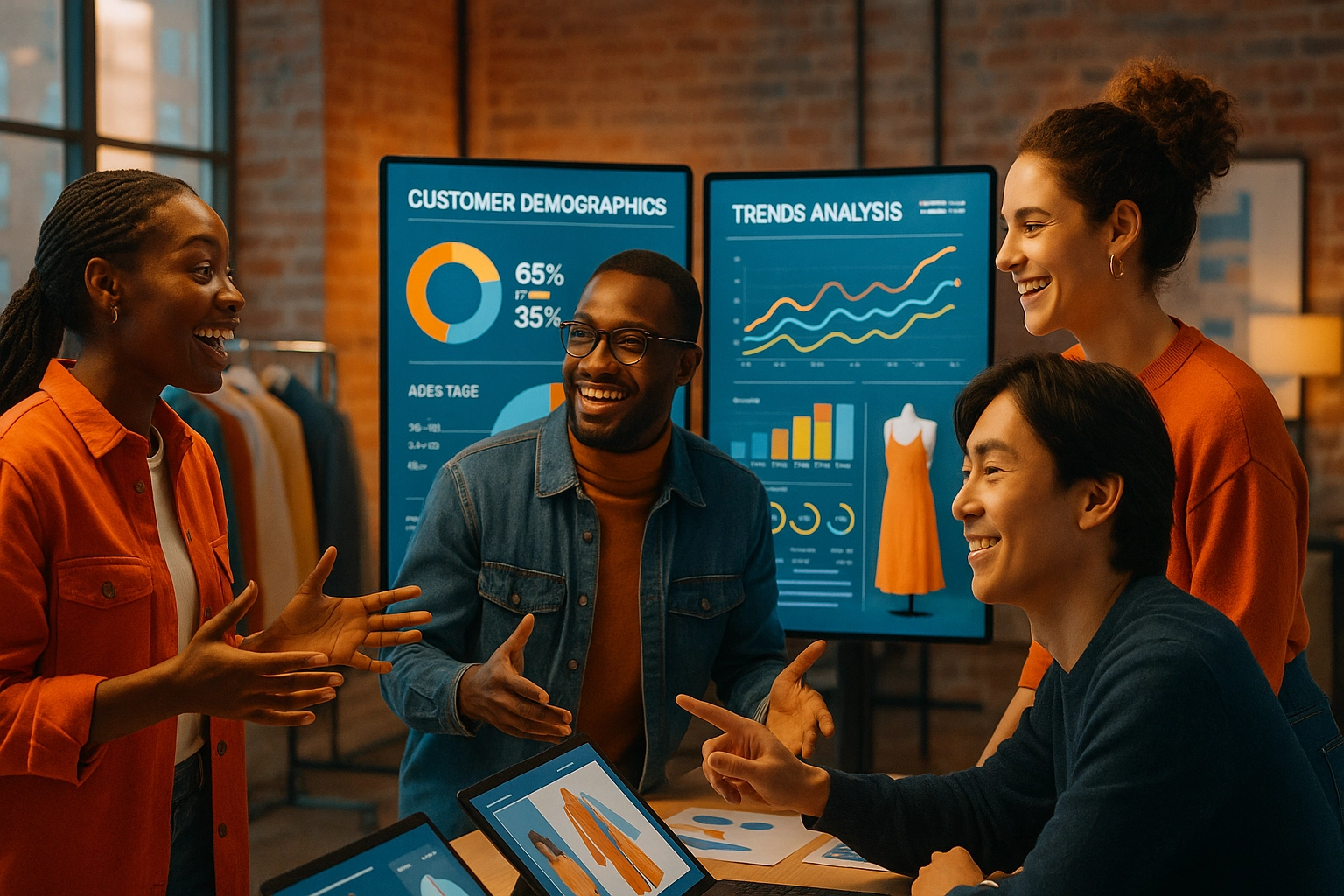
This transformation is happening whether you're part of it or not. The question isn't whether you should adopt AI in your fashion business: it's how quickly you can do it effectively while staying true to what makes your brand special.
The fashion industry has always been about pushing boundaries and embracing new possibilities. AI is just the latest chapter in that story. The difference is, this chapter is being written in real-time, and everyone gets to be part of it.
The future of fashion is being designed right now, and it's going to be incredible. Make sure you're part of creating it, not just watching it happen.