
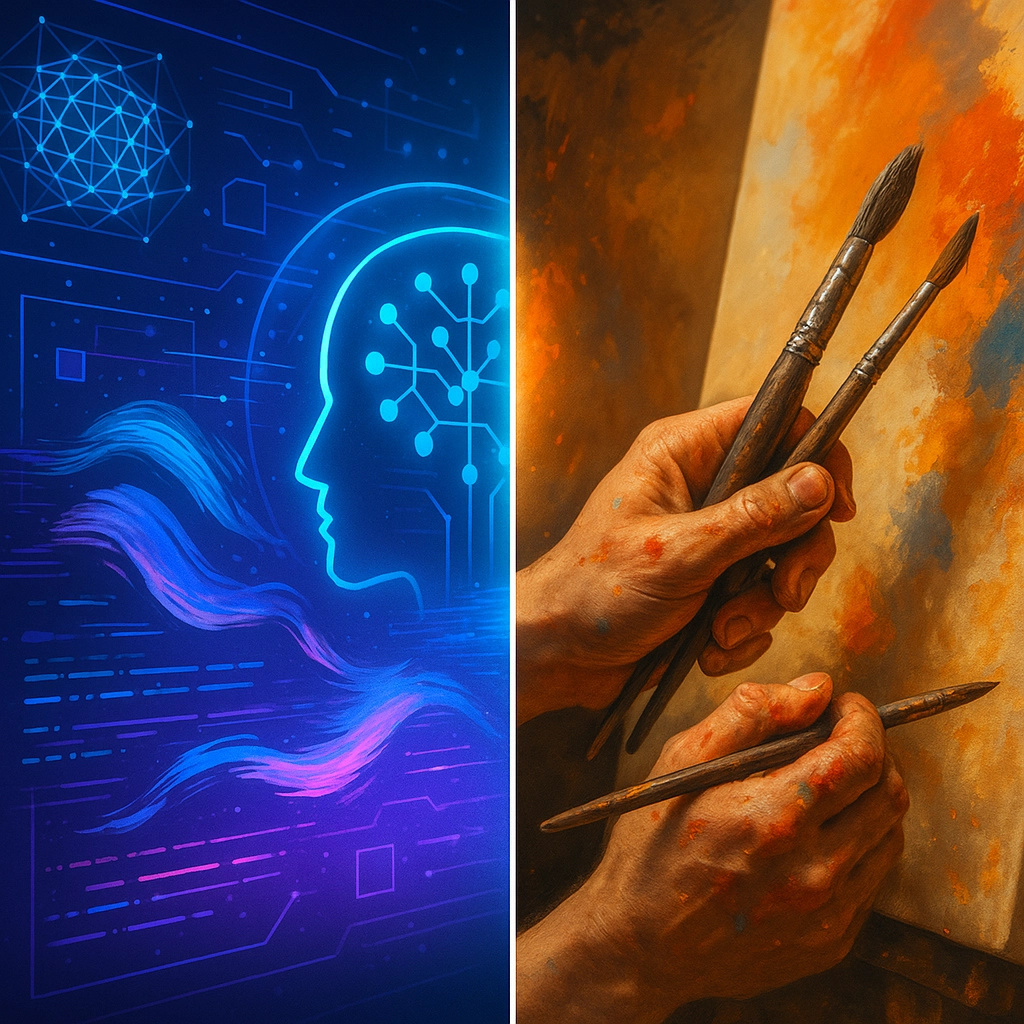
The creative landscape is shifting faster than ever, and if you're a brand manager or business owner trying to figure out your visual strategy for 2025, you're probably wondering: should I go with AI-generated prints or stick with traditional art?
Here's the thing: it's not really an either-or situation anymore. The AI art market is exploding, with projections showing it'll hit $8.6 billion by 2033, growing at a whopping 40% annually. Meanwhile, traditional art continues to hold its ground in premium markets and cultural significance. So let's break down what each approach brings to the table.
The AI Revolution: Speed Meets Scale
AI-generated prints have gone from sci-fi concept to marketing reality in just a few years. Today, 62% of marketing professionals are already incorporating AI-generated visuals into their campaigns, and for good reason.
The Speed Factor
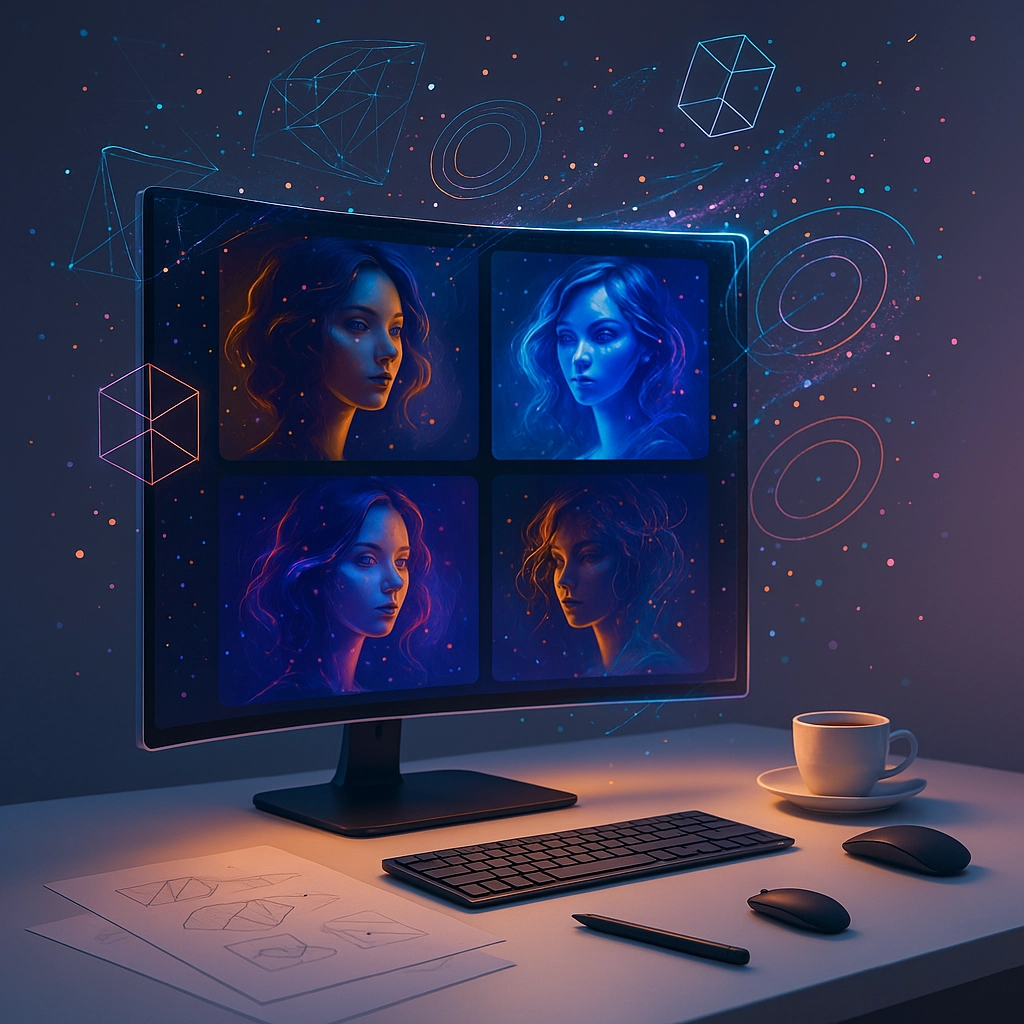
Remember when getting custom artwork meant waiting weeks for an artist to finish your project? AI flips that timeline on its head. You can literally go from concept to finished print in minutes. Type in "minimalist mountain landscape with warm sunset tones" and boom: you've got dozens of variations to choose from.
This isn't just convenient; it's revolutionizing how brands approach content creation. Early adopters in the print-on-demand space have doubled their product counts and sales within months by leveraging AI for both design creation and workflow automation.
Cost Efficiency That Actually Makes Sense
Let's talk numbers. Hiring a graphic designer for a single custom illustration can run anywhere from $300 to $2,000 depending on complexity and the artist's reputation. With AI tools, you're looking at subscription costs that typically range from $10 to $100 per month for unlimited generations.
For brands that need high-volume content: think social media posts, product variations, or seasonal campaigns: the math is pretty straightforward. You can generate hundreds of unique designs for the cost of commissioning just one traditional piece.
Scalability Without the Headaches
Here's where AI really shines: bulk operations. Need 50 variations of your logo for different product lines? Or maybe you want to test 20 different poster designs to see what resonates with your audience? AI handles this kind of scale effortlessly.
Many platforms now offer built-in automation that goes beyond just image generation. They'll create SEO-friendly titles, product descriptions, and even handle background removal and color adjustments in bulk. It's like having a design team that never sleeps.
Traditional Art: The Human Touch Still Matters
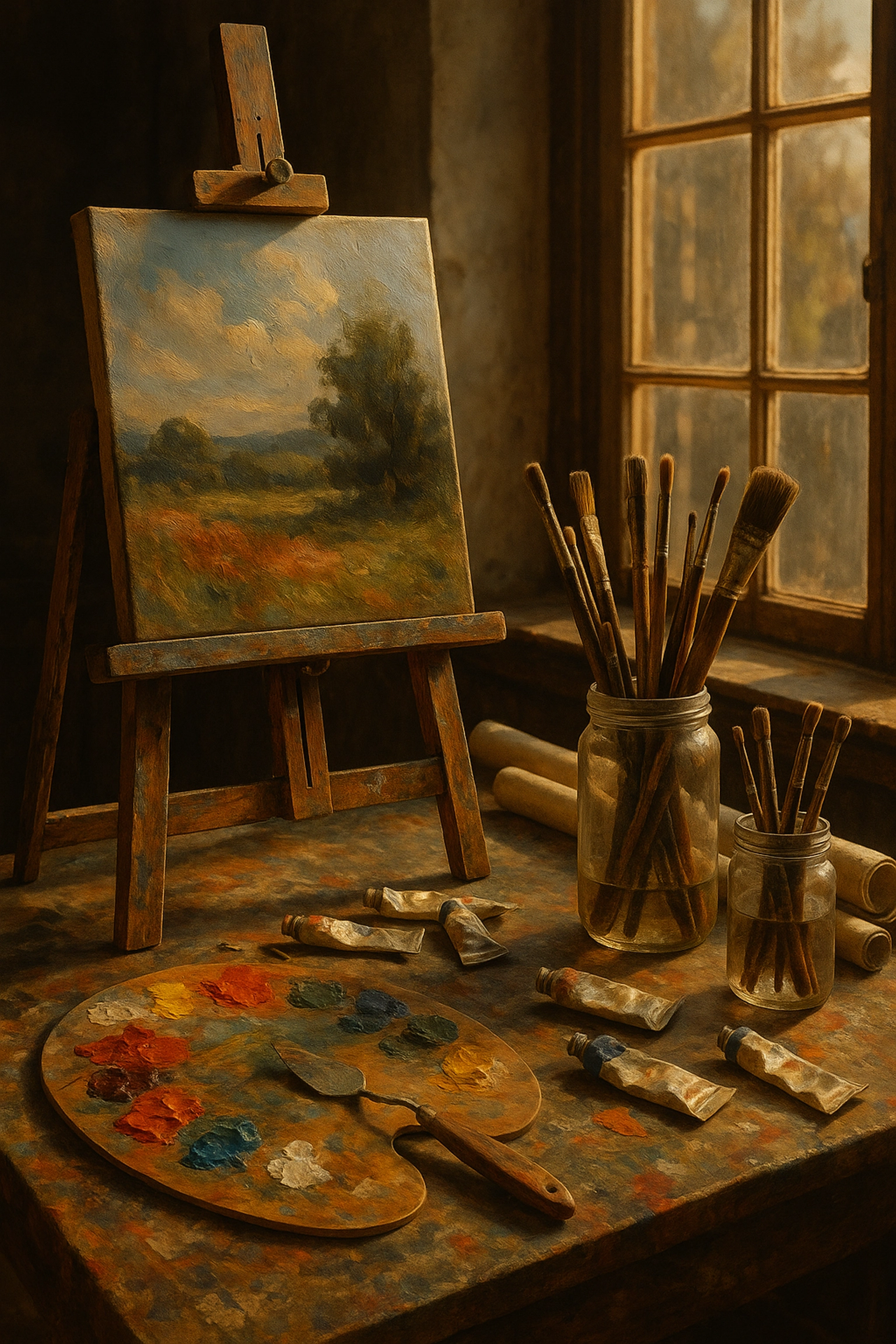
Before you write off traditional art as yesterday's news, let's pump the brakes. There's a reason why human-created artwork still commands premium prices and emotional connections that AI struggles to match.
Authenticity in an Age of Automation
When everyone can generate a "unique" design with the same AI tool, truly original human artwork becomes more valuable, not less. Traditional artists bring lived experiences, cultural contexts, and emotional depth that algorithms can't replicate: at least not yet.
For luxury brands or companies built on craftsmanship and heritage, traditional art isn't just an option; it's essential to their brand identity. Think about brands like Hermès or local artisan coffee roasters: their audience expects and values the human story behind the art.
Creative Problem-Solving and Conceptual Depth
Human artists excel at understanding nuanced brand requirements and translating complex concepts into visual language. They can iterate based on feedback, adapt to changing project needs, and bring creative solutions you might never have considered.
A talented artist can look at your brand values, target audience, and business goals, then create something that speaks to all of these elements in ways that go beyond literal interpretation.
Intellectual Property Clarity
Here's a practical consideration: with traditional commissioned artwork, you know exactly who created it and can establish clear ownership rights. The legal landscape around AI-generated content is still evolving, with ongoing debates about copyright, fair use, and ownership rights.
For brands that need bulletproof IP protection: especially those in competitive industries: traditional art offers peace of mind that AI-generated content currently can't match.
The Numbers Game: Market Acceptance and Growth
The market is telling us an interesting story. While AI-generated art is projected to represent 5% of the contemporary art market by 2025, traditional art institutions and collectors continue to show strong preference for human-created works.
But here's what's fascinating: younger demographics are much more accepting of AI art. Millennials and Gen Z represent 48% of AI art auction bidders, suggesting that brand acceptance of AI-generated content will likely grow as these demographics gain more purchasing power.
When to Choose AI-Generated Prints
AI makes the most sense when you need:
High-Volume Content Creation: Social media campaigns, product line extensions, or seasonal collections benefit from AI's ability to generate multiple variations quickly and cost-effectively.
Rapid Prototyping: When you're testing concepts or need to visualize ideas quickly, AI lets you iterate without committing significant resources.
Budget-Conscious Projects: For startups, small businesses, or any situation where creative budgets are tight, AI offers professional-quality visuals at a fraction of traditional costs.
Trend-Responsive Content: AI tools are constantly updated with current visual trends, making it easier to create content that feels contemporary and relevant.
When Traditional Art Is Your Best Bet
Traditional art should be your go-to for:
Brand-Critical Applications: Logo design, flagship campaigns, or any visual that will represent your brand for years to come benefit from the strategic thinking and creative expertise of human artists.
Premium Positioning: If your brand competes on craftsmanship, authenticity, or luxury positioning, traditional art reinforces these values in ways that AI-generated content might undermine.
Complex Storytelling: When you need artwork that conveys specific cultural nuances, emotional subtleties, or complex narratives, human artists bring irreplaceable insights.
Long-term Brand Assets: For visuals that will be used across multiple channels and campaigns over extended periods, investing in original traditional art often provides better long-term value.
The Smart Money: A Hybrid Approach
Here's the reality most successful brands are discovering: it's not about choosing sides. The smartest approach combines both AI and traditional art strategically.
Use AI for high-volume, quick-turnaround needs like social media content, product mockups, and campaign variations. Reserve traditional art for signature pieces, brand identity elements, and premium campaigns where authenticity and human creativity add tangible value.
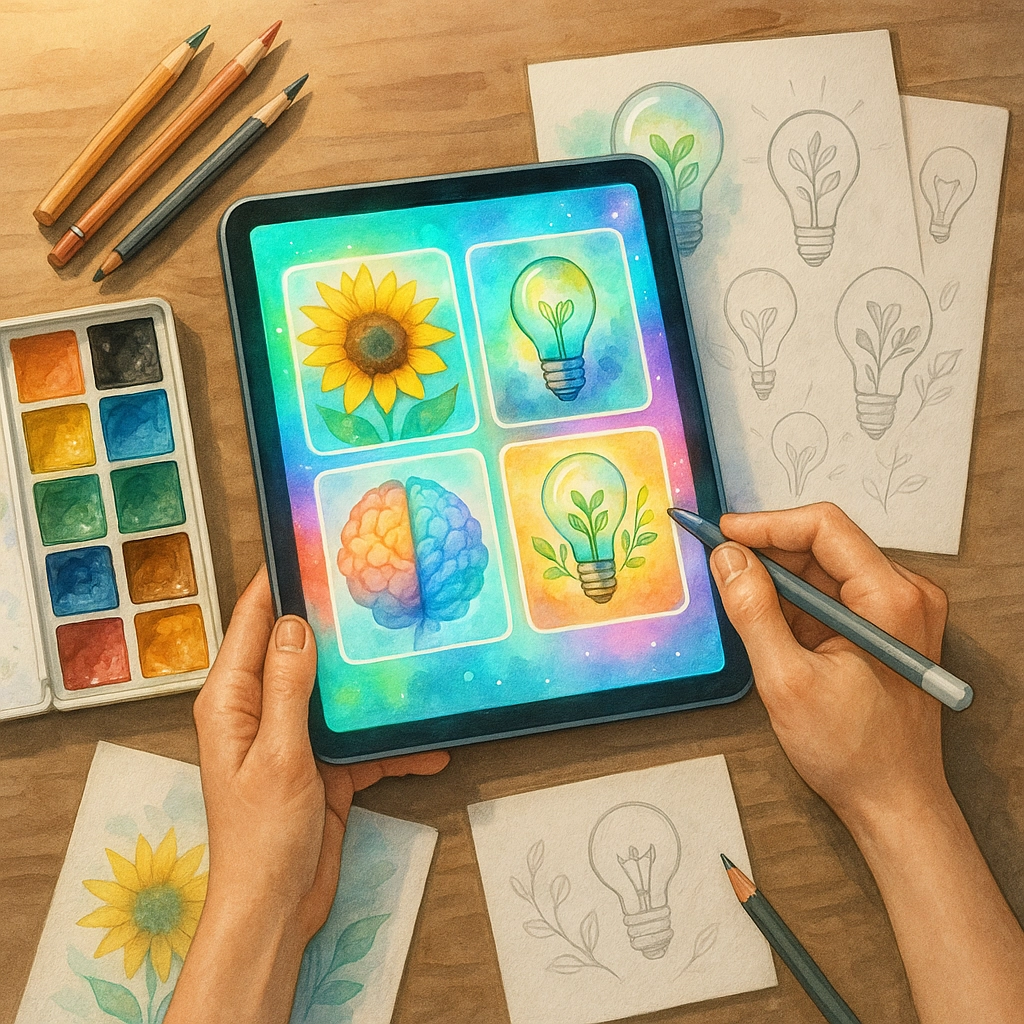
This hybrid strategy lets you maximize efficiency while maintaining the human touch where it matters most. You get the cost savings and speed of AI for routine creative needs, plus the premium quality and authentic storytelling of traditional art for high-impact applications.
Looking Ahead: What 2025 Holds
The AI image generation market is expected to reach $1.3 billion by 2025, growing at 35.7% annually. This growth suggests that AI tools will become even more sophisticated and accessible, while traditional art will likely become more specialized and premium-positioned.
Smart brands are already preparing for this shift by developing creative workflows that leverage both approaches. They're building relationships with talented human artists while also investing in AI tools and training their teams to use them effectively.
The question isn't really which approach is "better": it's about understanding when each tool serves your brand's needs most effectively. In 2025's competitive landscape, the brands that thrive will be those that master both AI efficiency and human creativity, using each where it delivers maximum impact.
Your creative strategy should reflect your brand values, target audience, and business goals. Whether that means going all-in on AI efficiency, doubling down on traditional craftsmanship, or finding the perfect balance between both, the key is making an intentional choice that supports your broader brand strategy.