

AI bias isn't some abstract tech problem that only affects Silicon Valley giants. It's happening right now in hiring decisions, loan approvals, healthcare diagnoses, and criminal justice outcomes. And honestly? Most of us working with AI are making the same critical mistakes without even realizing it.
If you're building AI systems or using them in your business, you're probably falling into at least one of these traps. Let's break down the most common AI bias mistakes so you can spot them before they cause real harm.
The Biggest Myth: "AI is Neutral and Objective"
Here's the thing everyone gets wrong about AI: we think it's this perfectly objective, bias-free system that makes decisions better than humans. That's complete nonsense.
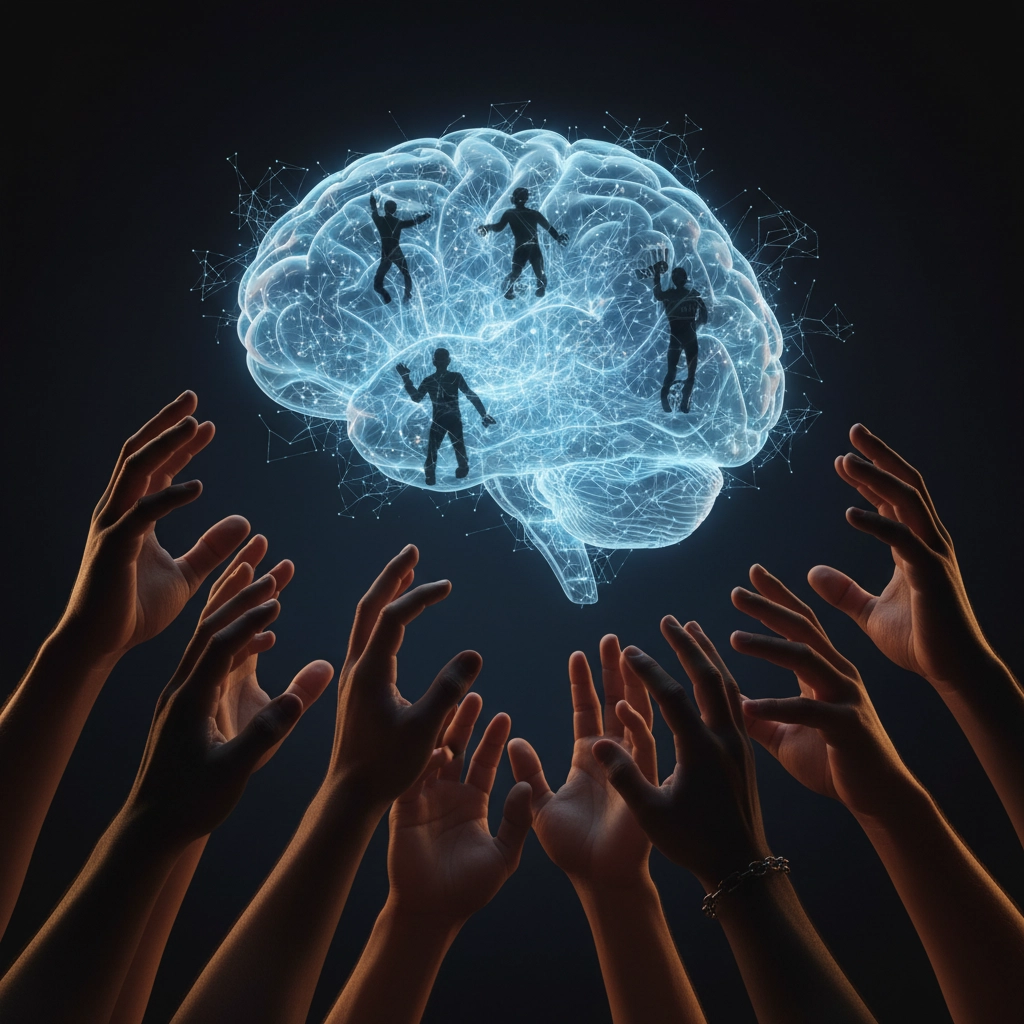
AI learns from us, and we have biases woven into everything we do. When AI absorbs our decision-making patterns, it also absorbs our prejudices, turning them into something way more systematic and scalable. The algorithms don't question the data they're fed: they just automate existing patterns, including the discriminatory ones.
Think about it this way: AI bias isn't a bug in the system. It's a mirror reflecting human bias at a massive scale. Once you understand that, everything else starts making sense.
Data Problems That Everyone Makes
Using Training Data That Doesn't Represent Reality
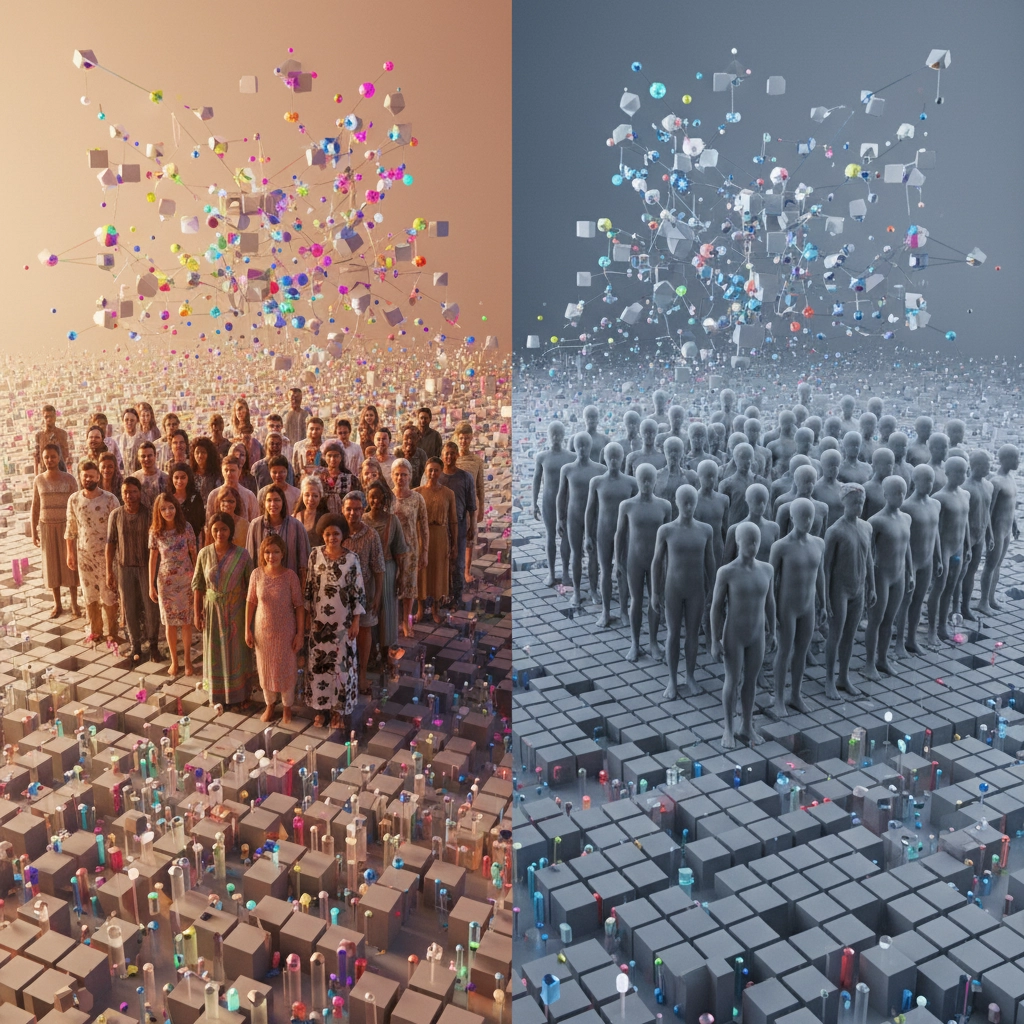
Selection bias is probably the most common mistake out there. If your AI model learns mostly from data about English-speaking job applicants, it's going to struggle with non-native speakers. If your healthcare AI only learned from studies on white patients, it might completely miss how diseases show up differently in other racial groups.
Getting Stuck in the Past
Historical bias happens when you train AI on old data that reflects outdated prejudices. Say you're building a hiring AI and you feed it historical data from a company that mostly hired men. Guess what? Your AI is going to think men are better candidates, not because they actually are, but because that's what the data shows.
Lumping Everything Together
Aggregation bias is sneaky. It happens when you combine data in ways that hide important differences. Like mixing salary data from professional athletes with office workers: you're going to get some seriously misleading conclusions about pay trends.
The fix? Make sure your training data actually represents the real world you want your AI to work in. Sounds obvious, but you'd be shocked how often this gets overlooked.
Design Mistakes That Sneak In
Not Recognizing Your Own Blind Spots
Cognitive biases affect everyone, including AI designers. There are over 180 different human biases that psychologists have identified, and they can sneak into your machine learning algorithms through the design process or through biased training data.
Testing in a Bubble
Evaluation bias is when you test your AI on data that doesn't represent how it'll actually be used. Maybe you test locally but plan to deploy nationally. Maybe you test on one demographic but plan to use it across diverse populations. Either way, you're setting yourself up for problems.
Cultural Tunnel Vision
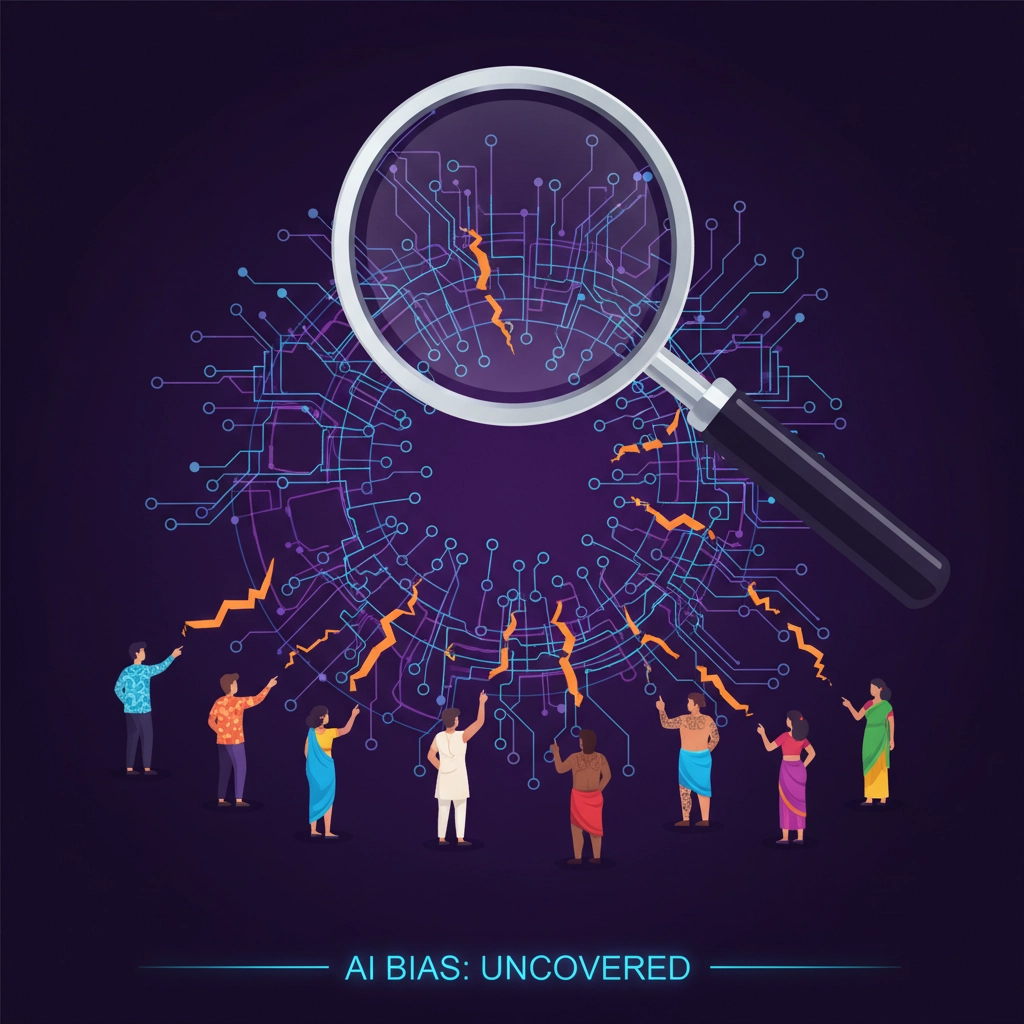
Most AI systems are trained on Western data, which creates a huge performance gap. They understand Western contexts way better and often produce stereotypes about other cultures. Ask an AI for an image of "a tree from Iran" and you might only get desert palm trees, completely ignoring Iran's actual forests and mountains.
Operational Mistakes After Launch
Set It and Forget It
This is a huge one. Many organizations deploy AI systems and assume they'll stay unbiased forever. But AI bias actually gets worse over time through amplification: the AI doesn't just learn human biases, it exaggerates them. Users of biased AI can become more biased themselves, creating a dangerous feedback loop.
Ignoring Human Reviewers' Biases
Even when you have humans reviewing AI decisions, confirmation bias kicks in. People favor information that confirms what they already believe. So if a human reviewer has preconceptions, they might ignore accurate AI results that don't match their expectations.
Missing the Forest for the Trees
Availability bias means AI assumes what's most common is most relevant, even when rare insights could be game-changing. Legal AI tools might focus on frequently cited cases while missing lesser-known precedents that could completely change a case outcome.

Real-World Impact You Can't Ignore
These aren't theoretical problems. AI bias affects hiring, lending, law enforcement, healthcare, and education right now. Predictive policing tools often target certain neighborhoods just because past data suggests patterns, creating cycles where those communities get over-policed.
Insurance companies use AI-driven pricing that might assume certain demographics are higher risk based on outdated claims data. Healthcare AI might miss symptoms in patients who don't match the demographic profile of their training data.
The scary part? This stuff often happens invisibly. Unlike human bias, which you can sometimes spot and call out, AI bias is buried in algorithms that most people can't examine or understand.
How to Actually Fix This
Recognition is the first step. Stop assuming AI is neutral and start actively looking for bias in your systems. Here's what actually works:
Diversify your data sources – Make sure your training data represents the real world you're working in, not just the easiest data to collect.
Test across different groups – Don't just test on one demographic or in one context. See how your AI performs across different populations and scenarios.
Monitor continuously – Set up systems to catch bias after deployment. This isn't a one-time fix: it requires ongoing attention.
Build diverse teams – Different perspectives catch different blind spots. Having diverse voices involved in AI development isn't just good ethics: it's good business.
Be transparent – When possible, make your algorithms explainable so people can understand and challenge the decisions.
The bottom line? AI can only be as diverse and unbiased as the data it's trained on and the people who build it. Even well-intentioned AI can reinforce historical inequalities if you're not careful about these common mistakes.
The goal isn't perfect AI: that's impossible. The goal is being honest about these limitations and actively working to minimize harm while maximizing benefit for everyone, not just the groups that are easiest to build for.