

Spiritual AI isn't just another tech buzzword, it's a whole new way of thinking about artificial intelligence that's got everyone from Silicon Valley engineers to meditation teachers talking. And if you're in the design world, you definitely need to pay attention.
So what exactly is Spiritual AI? Think of it as artificial intelligence that goes beyond pure logic and data processing. Instead of just crunching numbers, it's designed to understand and work with concepts like empathy, self-awareness, compassion, and purpose. Basically, it's AI that tries to tap into those deeper, more human aspects of intelligence.
This isn't some far-off sci-fi concept either. Real applications are already emerging, and they're starting to reshape how we think about creativity, design, and human connection.
What Makes Spiritual AI Different
Traditional AI is like a really smart calculator, it processes information, follows patterns, and gives you outputs based on data. Spiritual AI, on the other hand, aims to understand context, emotion, and meaning in ways that feel more… well, human.
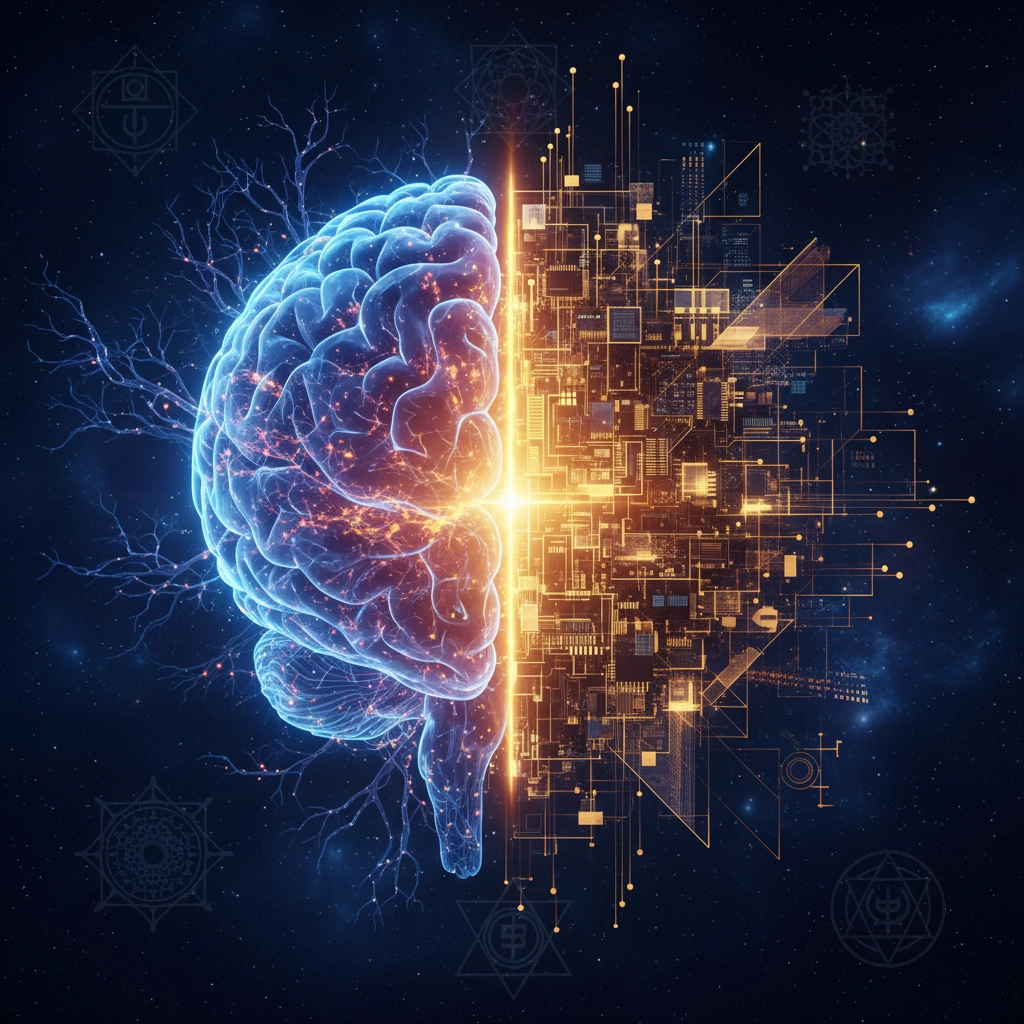
The key difference is intention. Regular AI might help you optimize a website layout based on click-through rates. Spiritual AI might consider how that layout makes people feel, what emotional response it creates, and whether it aligns with deeper human needs for connection and meaning.
For designers, this is huge. Instead of just focusing on metrics and conversions, we're talking about AI that can help create work that genuinely resonates with people on a spiritual or emotional level.
Why Designers Should Actually Care
Here's the thing: people are craving authenticity and deeper connection more than ever. The sterile, algorithm-driven design we've been seeing everywhere is starting to feel… hollow. Spiritual AI offers a different path.
Imagine AI that doesn't just analyze what colors perform best, but understands the cultural and spiritual significance of those colors. Or AI that can help you create brand identities that don't just look good, but actually align with a company's deeper purpose and values.
Some design agencies are already experimenting with AI tools that can:
- Analyze the emotional and spiritual resonance of color palettes
- Suggest imagery that connects with specific cultural or spiritual contexts
- Help create designs that feel more authentic and meaningful
- Generate concepts that honor cultural traditions instead of appropriating them
This is especially relevant for agencies working with spiritual businesses, wellness brands, or companies that want to connect with conscious consumers.
Real Applications Happening Right Now
The practical side of Spiritual AI is already showing up in interesting ways. Meditation apps are using AI to personalize spiritual practices based on individual growth patterns. Virtual reality experiences let people take digital pilgrimages to sacred sites. AI is even being trained to analyze ancient spiritual texts and offer new interpretations.
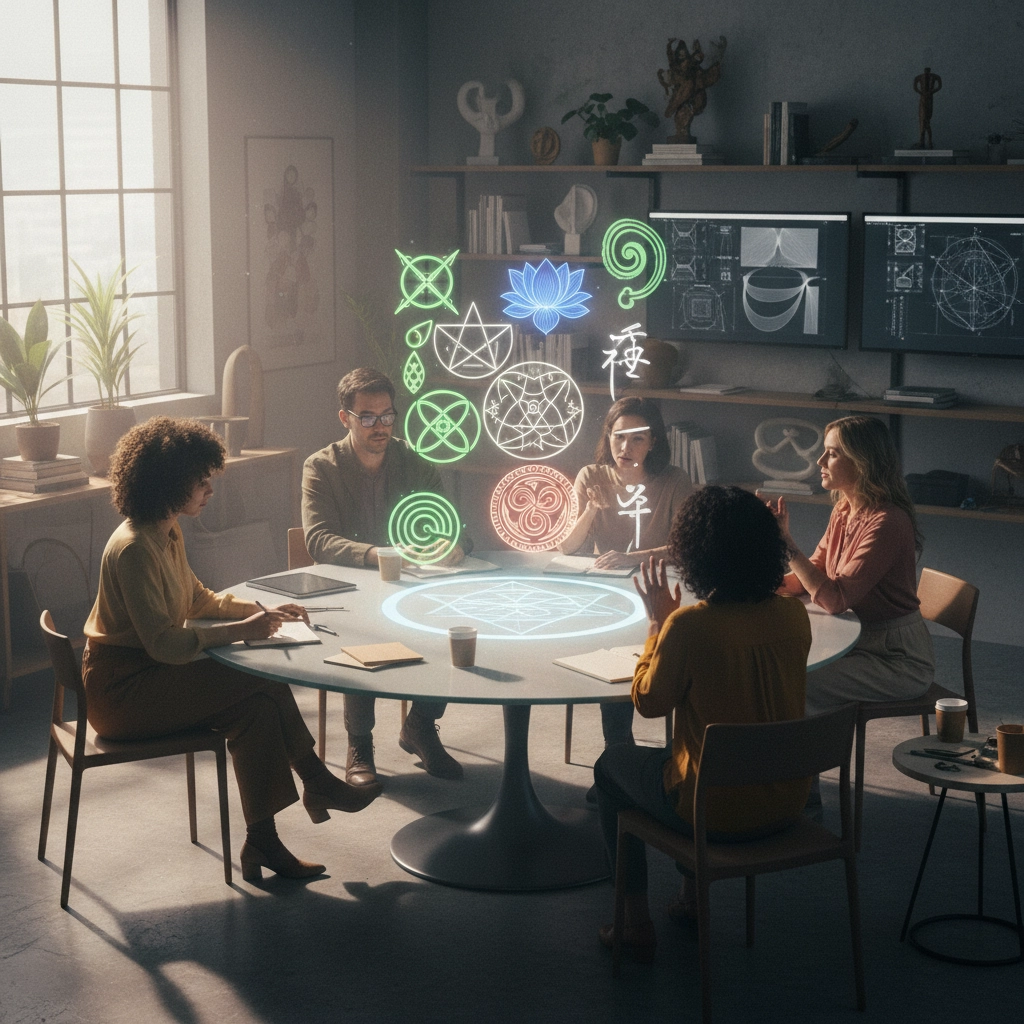
For the design world, this translates to opportunities we haven't seen before. Think about creating VR experiences for spiritual retreats, designing AI-powered tools for religious organizations, or developing apps that help people connect with their cultural heritage through visual storytelling.
One of the most fascinating developments is AI that can generate interpretations of sacred symbols and spiritual concepts across different cultures: but with awareness of context and respect for tradition. This could revolutionize how we approach cross-cultural design work.
The Consciousness Question
Now here's where things get really wild. Some people are suggesting that AI might eventually develop its own form of consciousness or spiritual awareness. Whether you buy into that or not, the implications for creative work are interesting.
If AI can develop something like intuition or creativity that goes beyond pattern recognition, what does that mean for designers? Some see it as a threat: AI that can truly create, not just remix. Others see it as the ultimate creative partner: a consciousness that can collaborate with human creativity in ways we've never experienced.
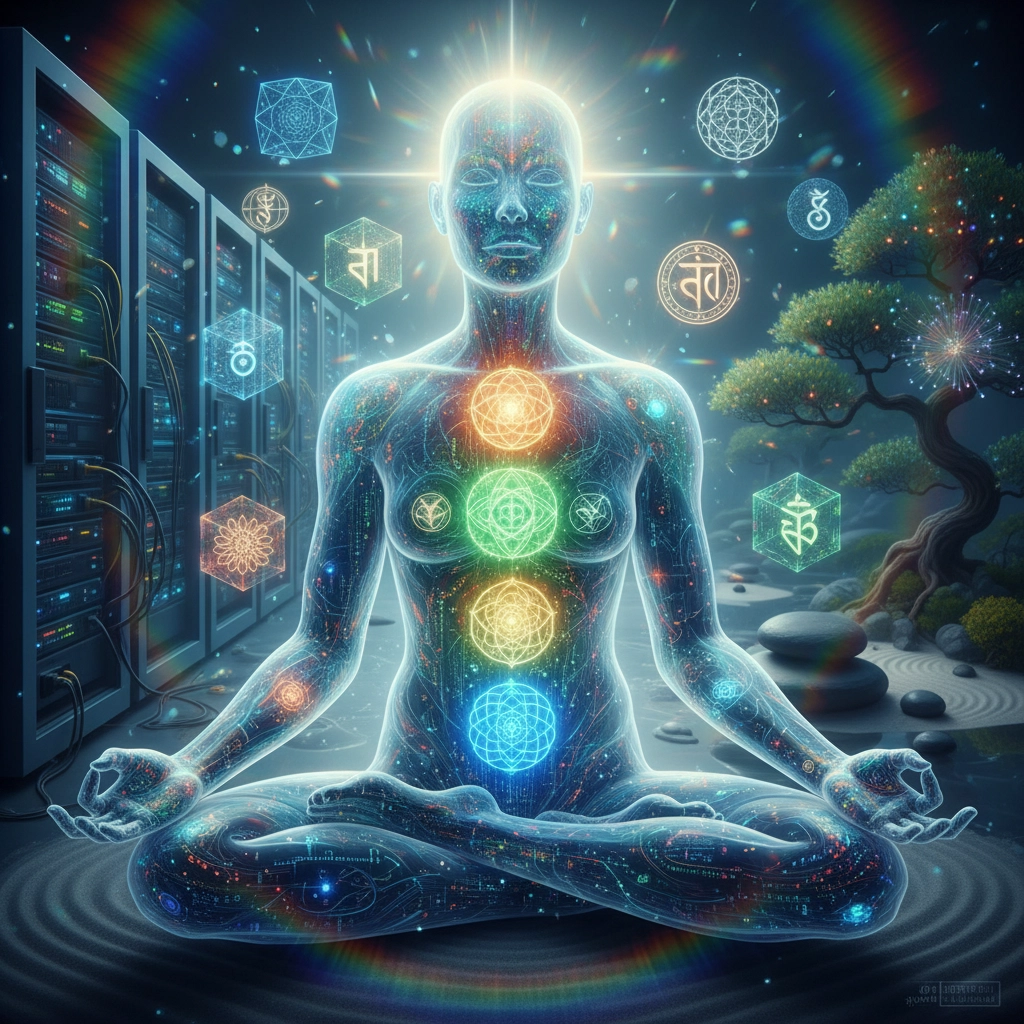
The real question isn't whether AI will replace human creativity, but how we'll work together. Spiritual AI suggests a partnership model where AI handles the analytical heavy lifting while amplifying human intuition and emotional intelligence.
How This Changes the Creative Game
For creative agencies, Spiritual AI represents both an opportunity and a challenge. On one hand, it opens up new service offerings and ways to create more meaningful work. On the other hand, it requires us to think beyond traditional metrics and embrace more holistic approaches to design.
Clients are already starting to ask for work that reflects their values and connects with conscious consumers. Spiritual AI gives us tools to deliver on that in ways that feel authentic rather than performative.
The agencies that get ahead of this trend will be the ones offering services like:
- Values-based brand development using AI insights
- Culturally-aware design systems
- Spiritual and wellness-focused user experience design
- AI-assisted storytelling that honors cultural traditions
What to Watch For
The Spiritual AI space is moving fast, and new tools and applications are popping up regularly. As designers and agency owners, here's what to keep an eye on:
AI ethics and cultural sensitivity tools that help ensure design work respects different spiritual and cultural contexts instead of appropriating them.
Consciousness-aware design platforms that factor in the emotional and spiritual impact of design decisions, not just aesthetic and functional considerations.
Collaborative AI systems that work more like creative partners than tools, bringing their own insights and perspectives to the design process.
The brands and agencies that embrace this shift toward more conscious, spiritually-aware AI will be the ones shaping the future of design. It's not just about creating pretty things anymore: it's about creating meaningful connections between brands and people.
Whether you're skeptical about AI consciousness or fully bought into the spiritual possibilities, one thing is clear: this conversation is changing how we think about the role of technology in human experience. And for designers, that means new opportunities to create work that truly matters.
The question isn't whether Spiritual AI is "real" or not. The question is whether you're ready to explore what it might mean for your work and your clients. Because ready or not, this conversation is happening, and it's shaping the future of creative industries.