

Creating AI art that honors cultural heritage isn't just about clicking "generate" and hoping for the best. It's about understanding the delicate balance between technological innovation and cultural respect. As AI becomes more powerful, the responsibility to use it thoughtfully grows exponentially.
The challenge is real: How do you harness AI's creative potential while ensuring you're not appropriating, misrepresenting, or trivializing someone's cultural heritage? The answer lies in understanding both the technology and the cultures you're working with.
The Foundation: Understanding Cultural Authenticity in AI
Cultural authenticity in AI art starts with recognizing that every cultural element has context, meaning, and often sacred significance. When Takashi Murakami used AI to restore a 17th-century Japanese folding screen, he didn't just let the algorithm run wild. His team used high-resolution scans from the Tokyo National Museum, employed nine studio assistants to hand-redraw elements where AI fell short, and maintained oversight throughout the entire process.
This approach: combining AI efficiency with human cultural expertise: represents the gold standard for respectful cultural AI art. The key insight? Technology should amplify cultural understanding, not replace it.
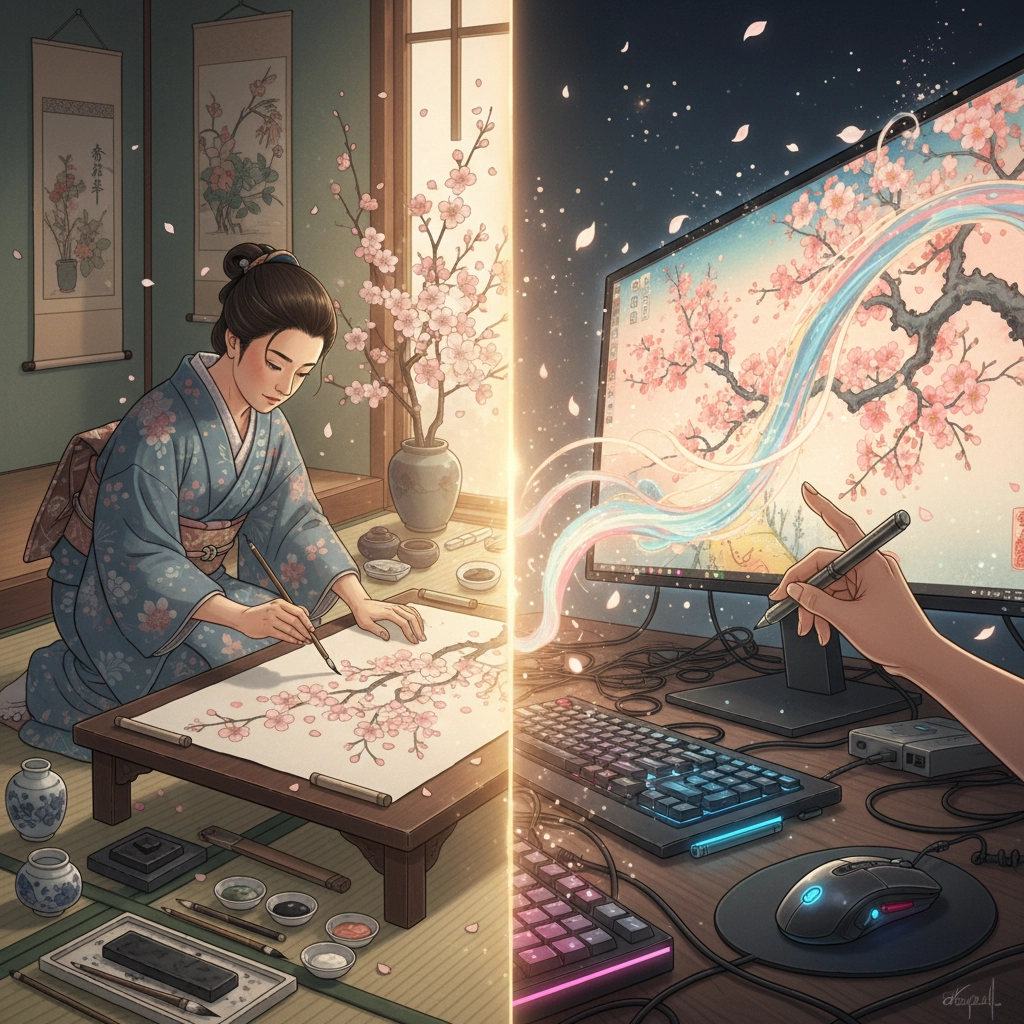
Restoration vs. Recreation: Two Paths to Respectful AI Art
The most successful cultural AI projects fall into two categories: restoration and respectful recreation. Restoration projects, like the Yongle Palace Mural restoration, use AI to reveal authentic colors and repair damage in 800-year-old Chinese murals. This approach preserves original artistic intent while using technology to fill gaps that time has created.
Recreation projects take a different approach. They involve creating new art inspired by traditional techniques, patterns, and cultural elements. The crucial difference? Respectful recreation involves extensive research, cultural consultation, and often collaboration with practitioners from the relevant cultures.
Learning from Successful Examples
Japanese Heritage Preservation Projects
Beyond Murakami's work, several Japanese artists are pioneering AI-assisted cultural preservation. These projects focus on documenting traditional craft techniques, analyzing pattern variations in historic textiles, and creating educational resources that make cultural knowledge accessible to younger generations.
Indigenous Art Collaboration Initiatives
Some of the most powerful examples come from collaborations between AI researchers and Indigenous communities. These projects prioritize community ownership of cultural data and ensure that any AI-generated content serves the community's goals for cultural preservation and education.
African Textile Pattern Analysis
Researchers working with West African communities have developed AI systems that can identify and categorize traditional textile patterns, helping preserve knowledge about regional variations and historical significance. Importantly, these projects are led by community members and serve community needs first.
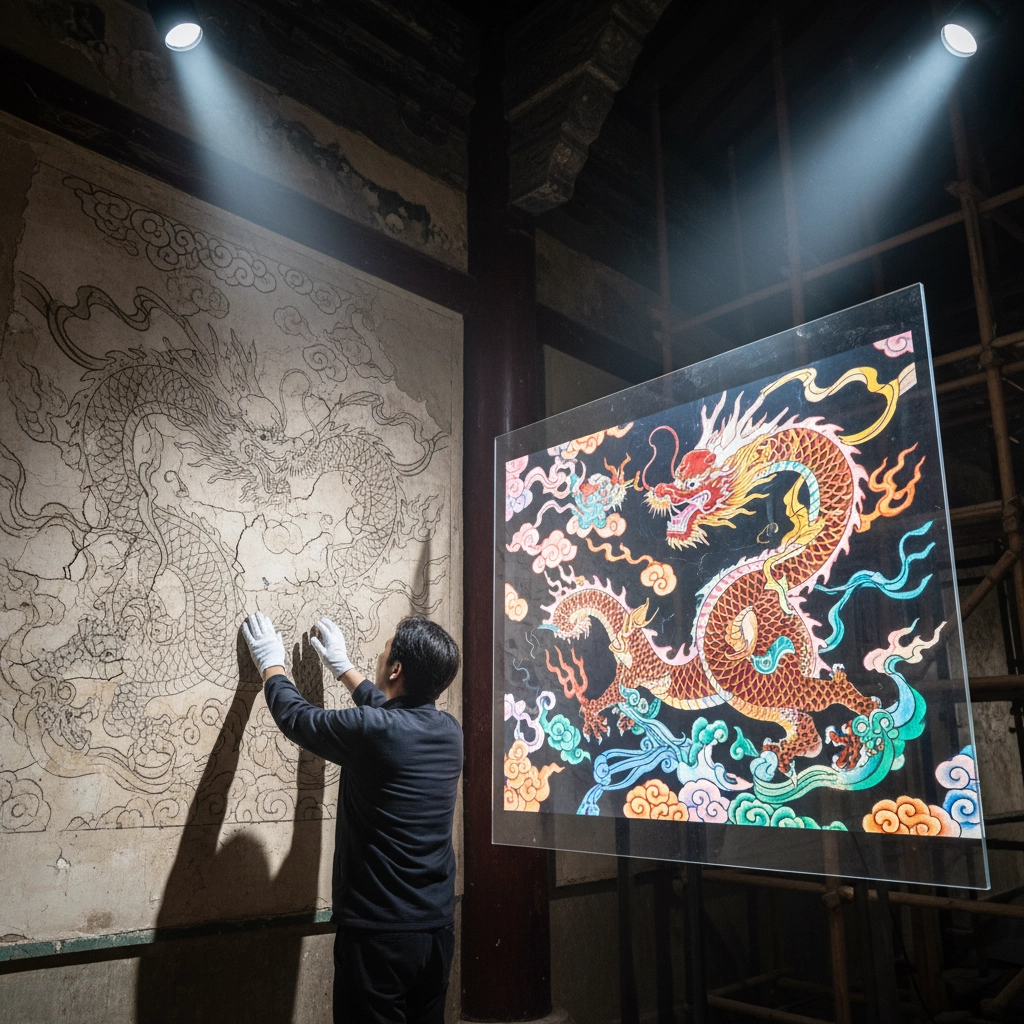
The Technical Approach: How to Train AI Respectfully
Training AI systems for cultural work requires a fundamentally different approach than typical AI art generation. Instead of scraping random internet images, respectful cultural AI projects use carefully curated datasets with proper permissions and cultural context.
Data Sourcing Best Practices
Work directly with museums, cultural institutions, and community organizations. The Metropolitan Museum of Art, British Museum, and Smithsonian have extensive open-access collections that provide high-quality cultural artifacts with proper documentation and context.
Collaborative Training Methods
Involve cultural practitioners in the training process. This means having traditional artists, cultural historians, and community members review generated outputs and provide feedback that improves the system's cultural accuracy.
Context-Aware Generation
Build systems that understand not just visual patterns but cultural significance. This involves training on textual descriptions, historical context, and usage guidelines alongside visual data.
Practical Guidelines for Culturally Respectful AI Art
Research First, Generate Second
Before creating any culturally-inspired AI art, spend time understanding the cultural context. What do specific patterns mean? What are the traditional uses? Are there sacred or restricted elements that shouldn't be used decoratively?
Seek Permission and Collaboration
Whenever possible, work with people from the cultures you're drawing inspiration from. This isn't just ethically important: it leads to better, more authentic results.
Credit and Compensate
Always acknowledge the cultural sources of your inspiration. If you're using traditional patterns or techniques, find ways to give back to the communities that preserved this knowledge.
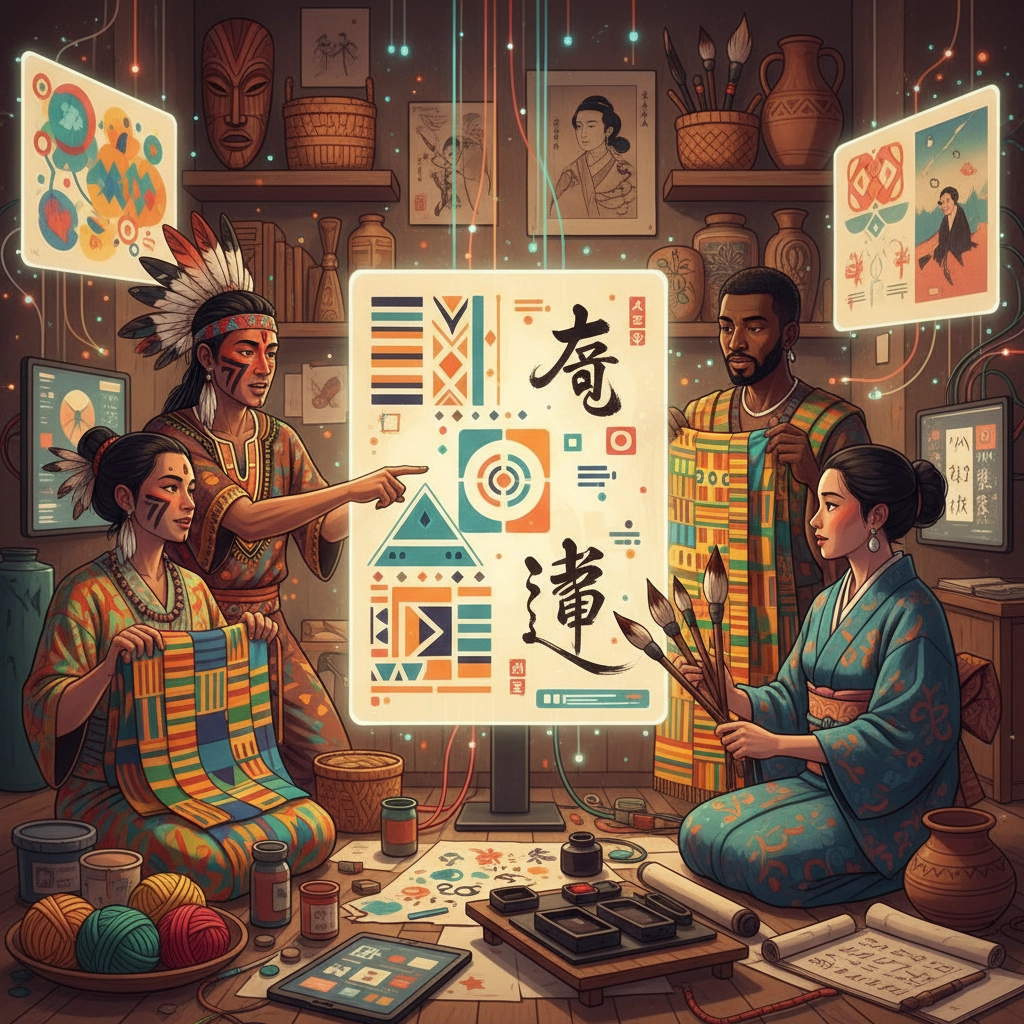
Start Small and Specific
Rather than trying to represent entire cultures, focus on specific elements, techniques, or stories. This allows for deeper research and more authentic representation.
Common Pitfalls and How to Avoid Them
The "Cultural Mashup" Trap
Avoid combining random cultural elements just because they look interesting together. A Celtic knot pattern combined with Aboriginal dot painting might create something visually striking, but it lacks cultural coherence and can be disrespectful to both traditions.
Sacred vs. Secular Confusion
Not all cultural elements are appropriate for artistic interpretation. Religious symbols, ceremonial patterns, and sacred imagery often have restrictions on their use. Research these boundaries carefully.
The Attribution Problem
Don't claim ownership of traditionally inspired work without acknowledging sources. Even if your AI generated something "original," if it's clearly inspired by specific cultural traditions, those traditions deserve credit.
Building Your Cultural AI Art Practice
Start with Open Collections
Museums worldwide have digitized collections with clear usage rights. The Rijksmuseum, Brooklyn Museum, and many others offer high-resolution images of cultural artifacts that you can use legally and ethically.
Connect with Cultural Communities
Look for cultural centers, traditional artists, and community organizations in your area. Many are interested in exploring how technology can help preserve and share their heritage.
Document Your Process
Keep detailed records of your sources, research, and decision-making process. This transparency builds trust and helps others learn from your approach.
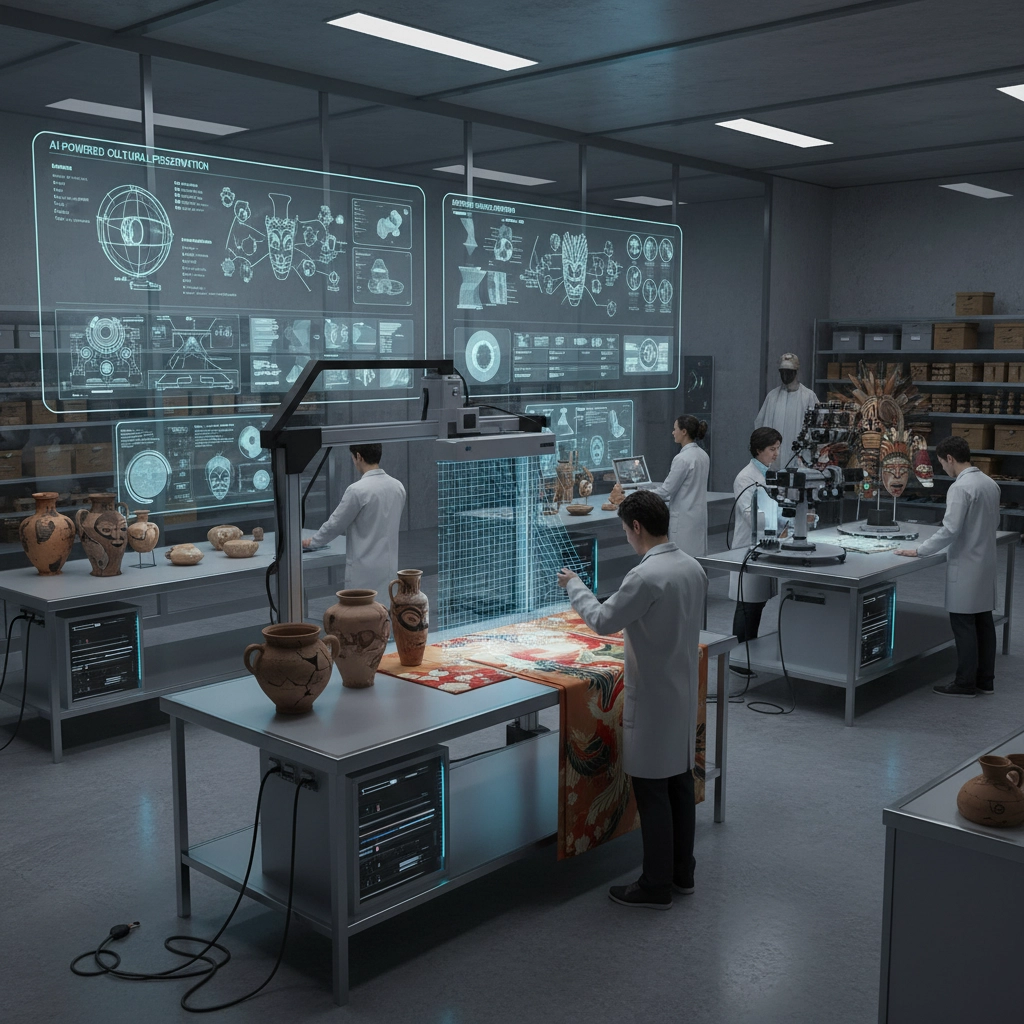
Focus on Education and Preservation
Frame your work as educational or preservational rather than purely artistic. This mindset shift naturally leads to more respectful practices and often produces more meaningful results.
The Technology Behind Respectful Cultural AI
Modern AI tools offer several features that support culturally respectful creation. Style transfer algorithms can learn specific traditional techniques without appropriating their cultural significance. GANs can be trained on carefully curated datasets that respect cultural boundaries. Image analysis tools can help identify and avoid problematic combinations of cultural elements.
The key is understanding these tools as assistants rather than replacements for cultural knowledge and sensitivity.
Moving Forward: The Future of Cultural AI Art
The future of culturally respectful AI art lies in collaboration, not appropriation. As AI tools become more sophisticated, the opportunities for meaningful cultural preservation and education expand. But so does the responsibility to use these tools thoughtfully.
The most exciting developments are happening at the intersection of technology and community engagement. Projects where AI serves community goals, preserves traditional knowledge, and creates new opportunities for cultural sharing represent the best possible future for this field.
Success in cultural AI art isn't measured by viral posts or commercial success: it's measured by the respect shown to cultural traditions and the value created for the communities whose heritage inspires the work. When we get this balance right, AI becomes a powerful tool for cultural preservation, education, and respectful artistic expression.