
Let's be real: AI fashion design is everywhere right now. But here's the thing: most of it looks soulless, generic, and frankly disrespectful to the cultures it's supposedly "inspired" by. As designers, we can do better. Way better.
The good news? You can create genuinely meaningful, culturally-rooted fashion designs using AI in just 5 minutes: if you know what you're doing. This isn't about slapping some "tribal" patterns on a t-shirt and calling it a day. This is about honoring heritage while pushing creativity forward.
Why Most AI Fashion Misses the Mark
Before we dive into the how-to, let's talk about why so much AI-generated fashion feels empty. The problem isn't the technology: it's how we're using it.
Most designers treat AI like a pattern vending machine. They punch in "African-inspired" or "Asian motifs" and expect magic. What they get instead is a watered-down, culturally tone-deaf mess that would make any traditional artisan cringe.
The difference between appropriation and appreciation comes down to one word: understanding. When you understand the story, symbolism, and significance behind cultural elements, your AI-generated designs transform from hollow copies into respectful tributes.
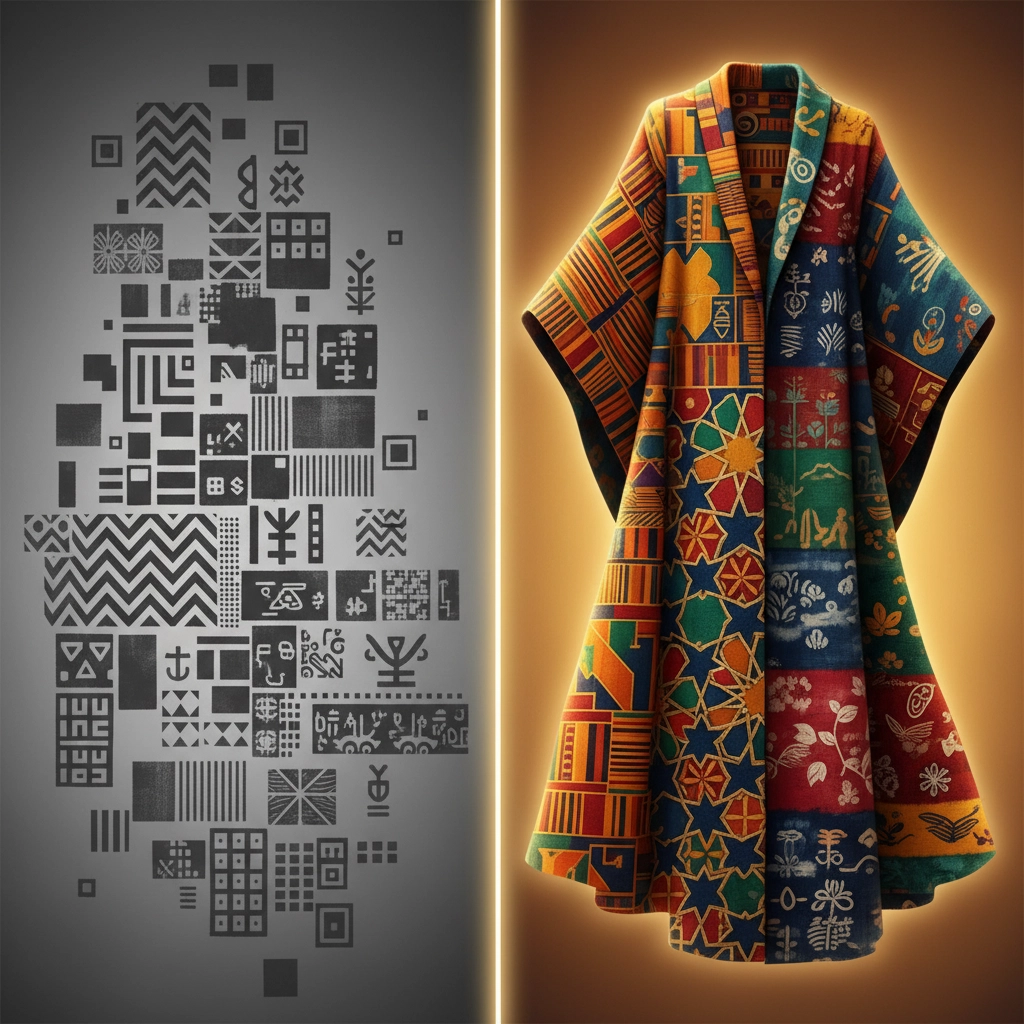
The 5-Minute Framework That Actually Works
Here's your step-by-step roadmap to creating culturally-grounded AI fashion that honors heritage instead of exploiting it.
Step 1: Research First, Generate Second (60 seconds)
This is where most people mess up. They skip straight to the fun part: generating cool patterns: without doing their homework. Don't be that person.
Spend your first minute identifying the specific cultural tradition you want to work with. Are you drawn to the geometric precision of Islamic art? The storytelling threads of Andean textiles? The spiritual symbolism of Maasai beadwork?
Here's the key: look up the actual meaning. That spiral pattern in Aboriginal art isn't just pretty: it represents water holes that could mean life or death in the Outback. Those colors in Mexican serape weaving aren't random: they tell stories about seasons, celebrations, and community identity.
Quick research hack: Use your AI tool's reference database to search for terms like "Kente cloth symbolism" or "Ikat weaving significance." Most modern AI platforms have built-in cultural archives that give you the context you need.
Step 2: Set Your Cultural Constraints (90 seconds)
Now comes the crucial part: programming respect into your AI prompts. This is where you shift from being a cultural tourist to being a cultural collaborator.
Instead of vague prompts like "make it look tribal," try specific, respectful language:
- "Create a contemporary jacket inspired by traditional Peruvian alpaca weaving techniques, maintaining the original color symbolism"
- "Generate a streetwear design that honors Japanese kasuri dyeing methods while adapting them for modern silhouettes"
- "Design a dress that respectfully interprets West African adinkra symbols, preserving their philosophical meanings"
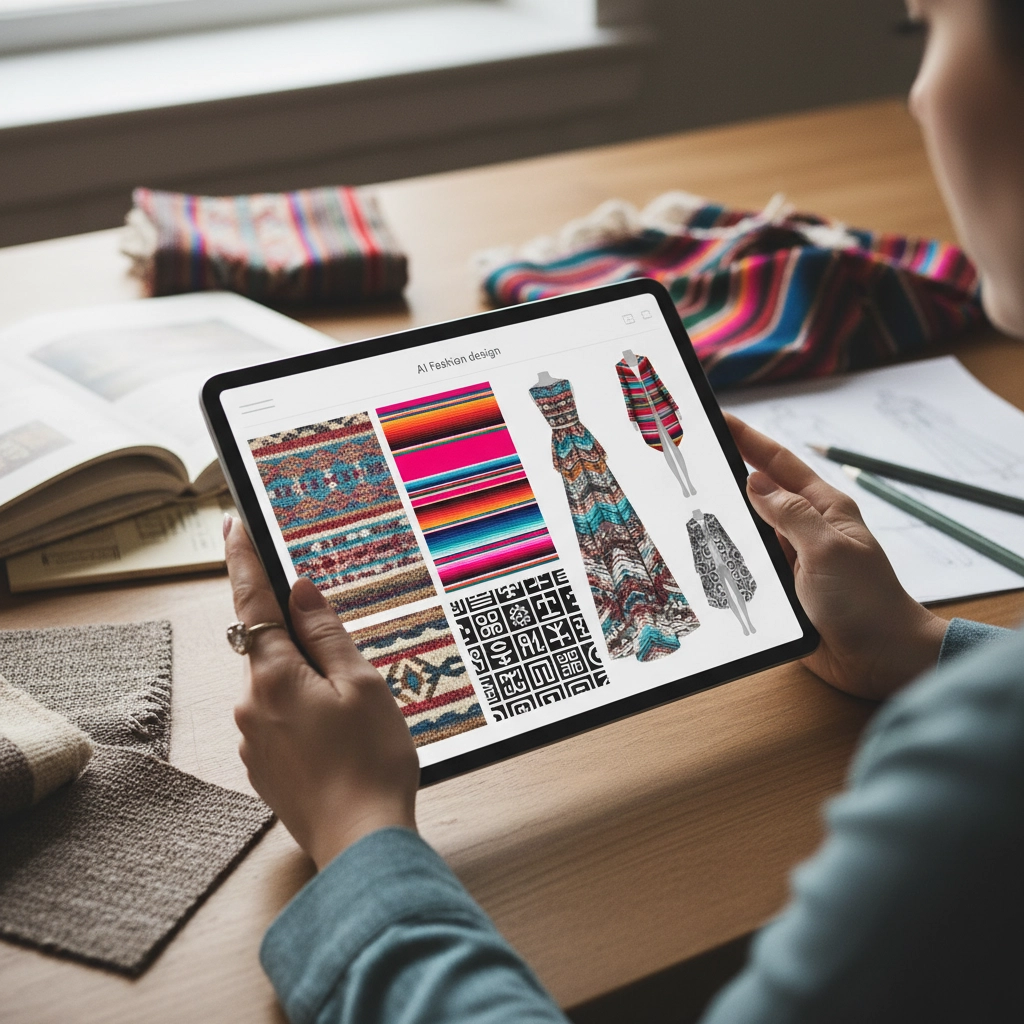
The magic happens when you give your AI cultural guardrails. You're not limiting creativity: you're channeling it in a direction that honors the source.
Step 3: Choose Your AI Tools Wisely (60 seconds)
Not all AI fashion tools are created equal. Some are designed specifically for heritage-conscious design, while others are just pattern generators in fancy packaging.
Look for platforms that offer:
Heritage-Based Training: Tools trained on documented cultural archives rather than random internet scraping
Cultural Context Features: Options that let you specify traditional techniques, ceremonial significance, or regional variations
Collaborative Elements: Platforms that connect you with cultural practitioners or community feedback
Fashion Diffusion's "Sketch to Render" feature is particularly good for this: you can start with traditional garment silhouettes and let the AI handle pattern application while maintaining structural authenticity.
Step 4: Generate with Intention (90 seconds)
Here's where the rubber meets the road. You're not just hitting "generate" and hoping for the best: you're curating each element with purpose.
Use these specific techniques:
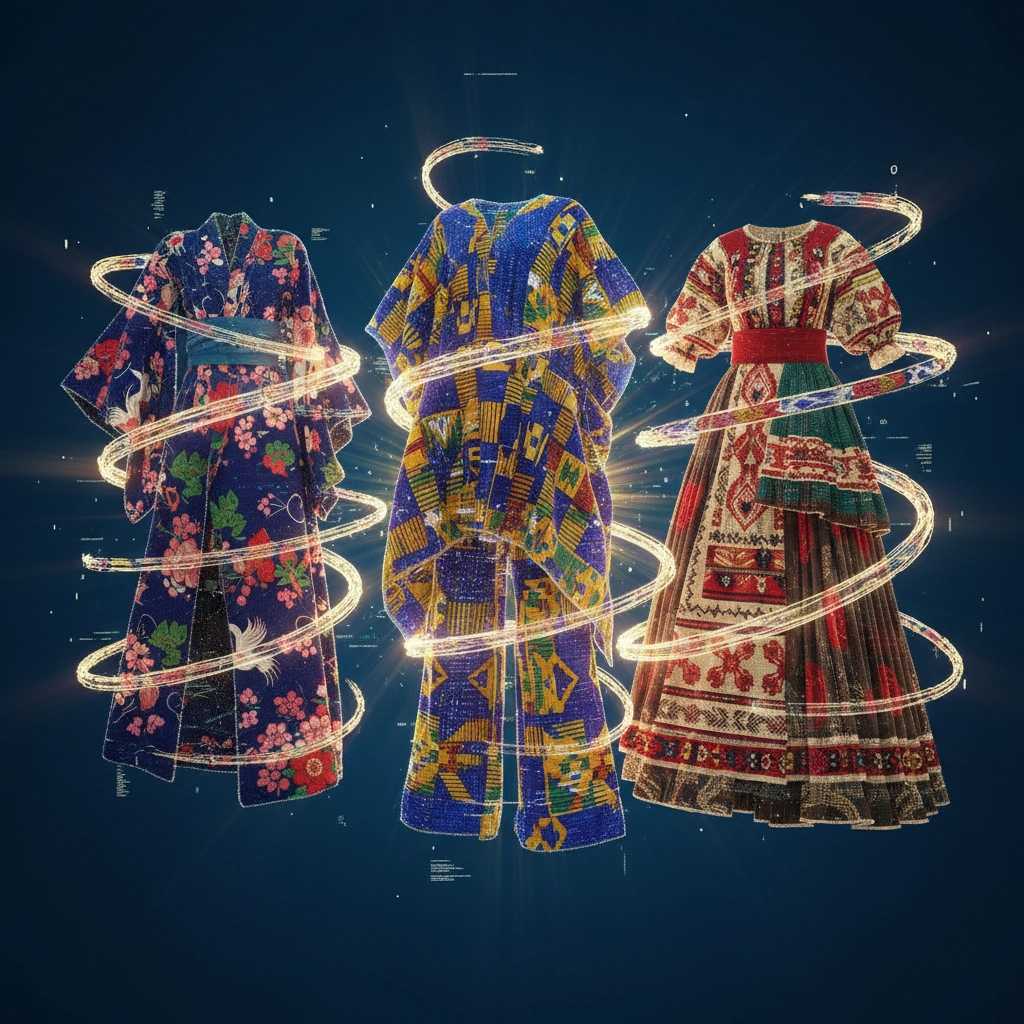
Start with Structure: Begin with authentic garment shapes. A traditional Japanese kimono silhouette, a West African boubou cut, or a Scandinavian folk dress pattern.
Layer Cultural Elements Thoughtfully: Apply patterns, colors, and textures in ways that make sense culturally. Don't mix sacred Navajo patterns with party dress cuts: the context matters.
Maintain Proportions: Traditional patterns have specific proportional relationships. A mandala that's stretched or compressed loses its spiritual geometry.
The key is working with your AI, not just letting it run wild. Guide each decision through the lens of cultural respect.
Step 5: Verify and Validate (60 seconds)
Your final minute is the most important: it's your cultural authenticity check. This is what separates respectful designers from cultural pirates.
Ask yourself these quick questions:
- Would artisans from this culture recognize their influence in a positive way?
- Have I maintained the symbolic integrity of the patterns I'm using?
- Am I telling a story that honors the original culture, or am I just using it as decoration?
- Would I be comfortable explaining my design choices to someone from that cultural background?
If any answer makes you uncomfortable, iterate. Most AI tools let you adjust elements quickly: use that flexibility to refine your approach.
Common Pitfalls and How to Avoid Them
The "Inspiration" Trap
Using sacred or ceremonial patterns for everyday fashion items isn't inspiration: it's appropriation. Stick to patterns that were traditionally used for daily wear or have been explicitly shared for broader use.
The Mix-and-Match Mistake
Combining patterns from different cultures in one design usually creates cultural confusion, not fusion. Pick one cultural tradition per design and do it justice.
The Profit-Without-Credit Problem
If you're commercializing designs inspired by specific cultures, consider how you can give back: whether through attribution, profit-sharing, or supporting cultural preservation efforts.
Tools That Actually Respect Culture
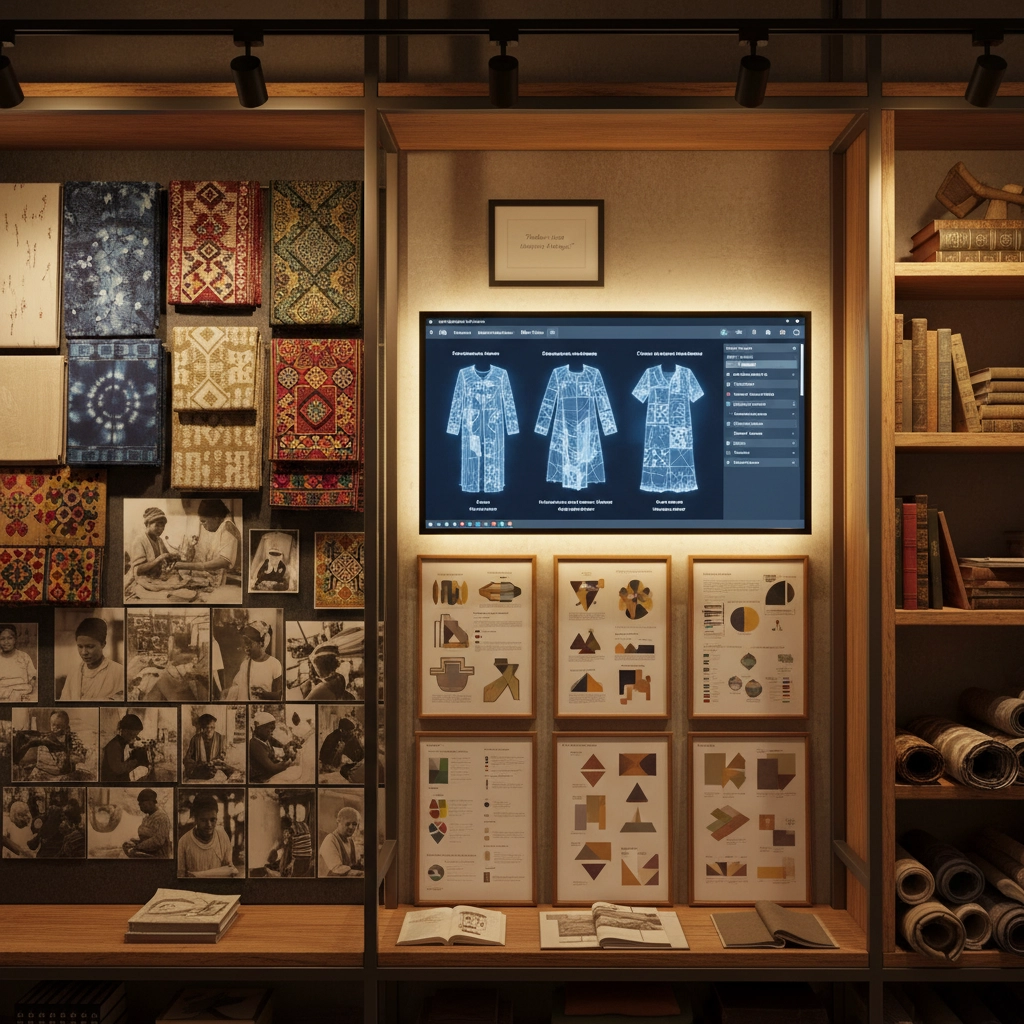
While we're not here to shill for specific platforms, some AI tools are genuinely better at cultural consciousness:
Fashion Diffusion: Offers "Apply Fabric" features that simulate traditional textile techniques while preserving their cultural integrity.
Cultural Archive Platforms: Some emerging AI tools specifically focus on heritage preservation, training their models on documented cultural artifacts with proper attribution.
Community-Connected Tools: Platforms that include feedback mechanisms from cultural communities, letting traditional artisans guide AI development.
Beyond the 5 Minutes: Building Long-Term Cultural Relationships
While this framework gets you started in 5 minutes, the best culturally-rooted design is an ongoing relationship, not a one-night stand.
Consider reaching out to cultural communities. Many traditional artisans are excited about AI's potential to preserve and share their heritage: when it's done respectfully. Some indigenous cooperatives now specifically partner with ethical designers to ensure cultural protocols are followed.
Document your process. Keep notes about which cultural elements you're using and why. This isn't just about covering your legal bases: it's about building a practice of intentional design.
Share the spotlight. When you showcase your culturally-inspired work, tell the story of the traditions that influenced it. Make your audience smarter about cultural heritage, not just impressed by pretty patterns.

The Future of Ethical AI Fashion
We're at a crossroads. AI fashion design can either become another tool for cultural extraction, or it can become something revolutionary: a way to preserve, celebrate, and respectfully share cultural heritage with global audiences.
The choice is ours, and it starts with every single design decision we make. When we choose understanding over appropriation, collaboration over exploitation, and respect over profit, we're not just making better fashion: we're modeling a better way forward.
Your 5-minute framework is just the beginning. Use it to create designs that honor the past while building toward a more culturally conscious future. Because at the end of the day, fashion that has soul doesn't just look good: it does good.
The world doesn't need more generic AI patterns. It needs designers who understand that true creativity comes from deep respect, not shallow copying. That's how you create culturally-rooted fashion without losing your soul: by remembering that every pattern has a story, and every story deserves to be told with honor.